
ATYPICAL MYOPATHY aka SYCAMORE POISONING
This article was originally published and sent to our subscriber base in 2023 - but it is still as important to know the information today as then. Please be aware of the dangers of sycamore poisoning and know the signs. Thank you again to at Dr. Gabrielle Haughton for writing this piece.
I would like to thank Equitas for asking me to write about this particular condition, in the hope that we can spread awareness and hopefully reduce the incidence and potentially improve the outcome of future cases.
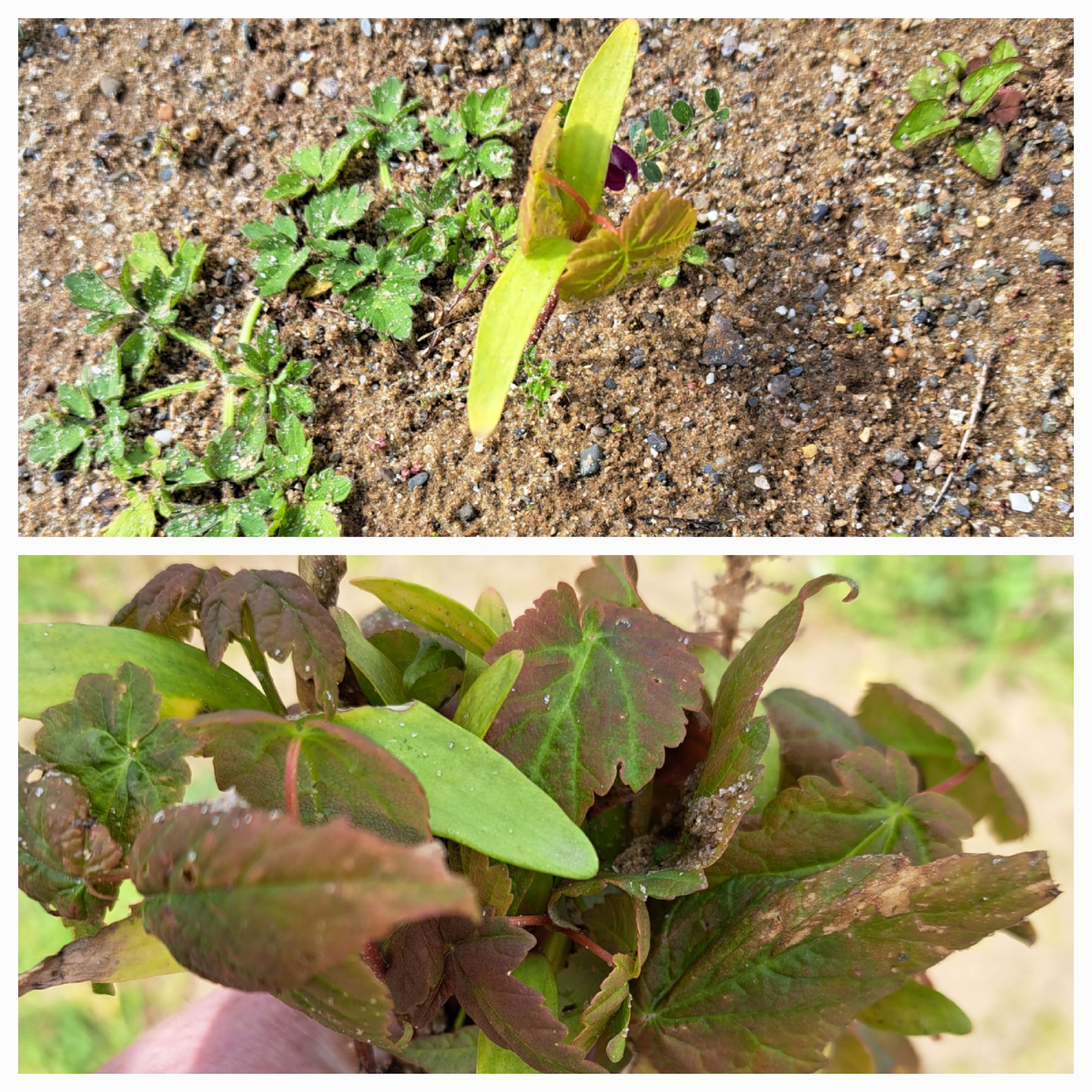
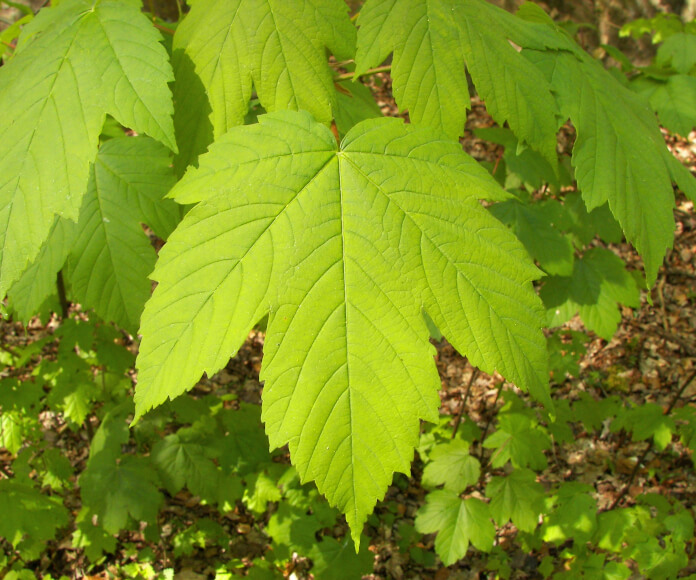
Atypical myopathy, sycamore poisoning or seasonal pasture myopathy (SPM) is a severe and often fatal muscle disorder affecting equines and most frequently seen in the spring or autumn. It is caused by a toxin called Hypoglycin A (HGA) and occurs due to the ingestion of sycamore seeds, leaves or seedlings (Votion, 2014).
There are more than 25 species of Acer (sycamore and maple) tree although not all species contain the HGA toxin and for this reason, HGA concentrations can vary between plant samples derived from different trees or seedlings.
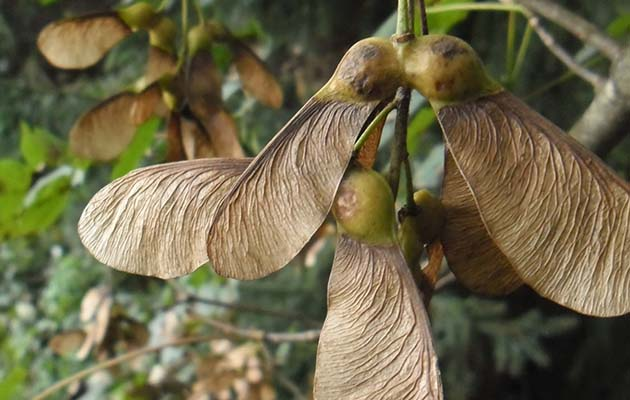
Atypical Myopathy is fatal in around 75% of affected horses, with the cause of death due to a very specific metabolic block in the muscle’s ability to burn fat for fuel. There is emerging research suggesting that some horses appear to be more susceptible than others due to a possible genetic component.
The condition has progressed from a sporadic condition first documented in the early 1940’s, to more frequent, large outbreaks throughout Europe.
It is postulated that climate change may have increased sycamore tree seed production, seed dispersal by weather, or toxin concentrations in seeds. It is also possible that the increased awareness of the disease has resulted in increased reporting rather than an increased incidence.
What are the clinical signs?
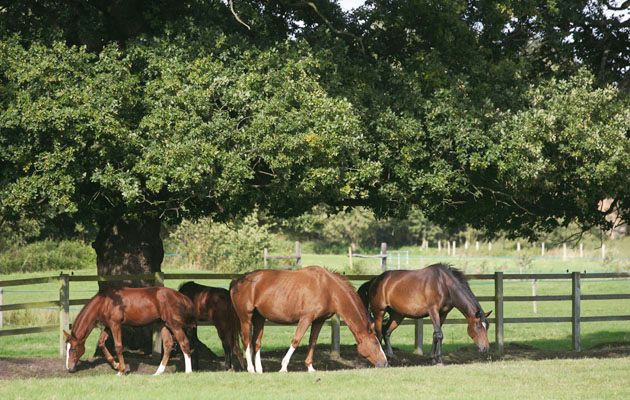
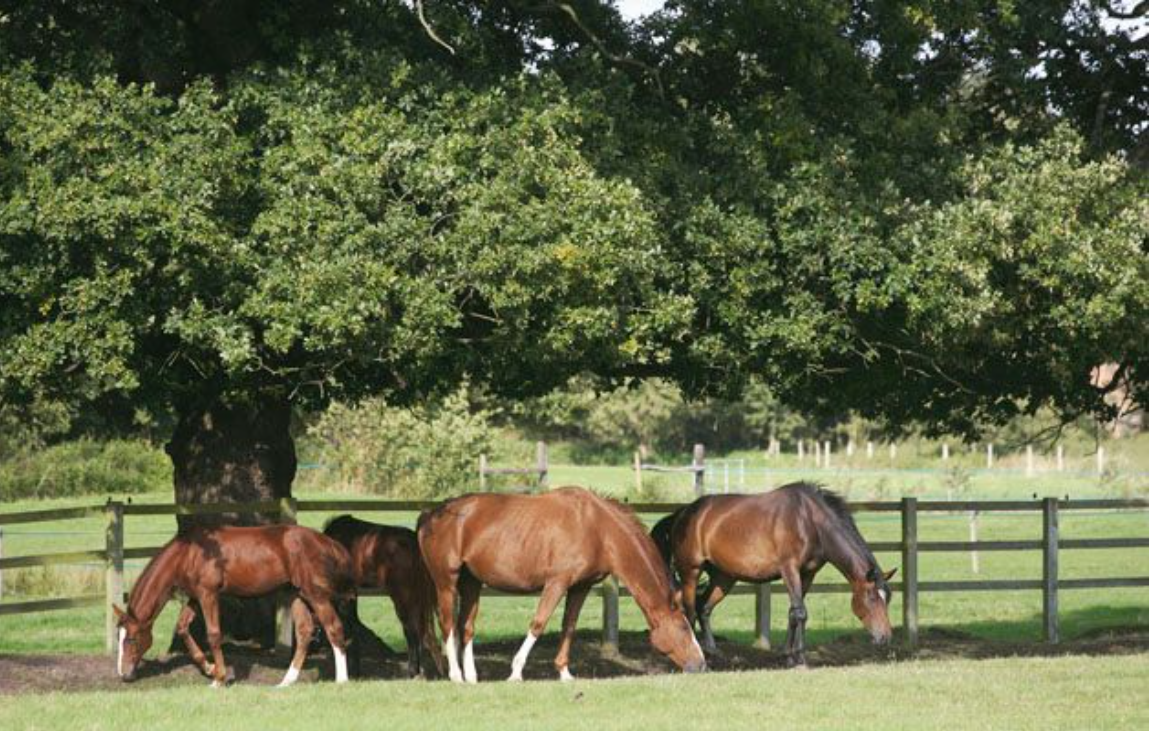
Equines that develop Atypical Myopathy are usually kept on sparse pastures with an accumulation of dead leaves, debris, and trees in or around the pasture. Unlike other muscle disorders which exhibit similar symptoms (like exertional rhabdomyolysis or ‘tying-up’ for example), the disease’s clinical signs are not associated with exercise and include:
· Reluctance to move
· Muscle weakness
· Stiffness and fine muscle tremors
· Increased periods of recumbency (unable to rise after lying down)
· Tachycardia (overly rapid heartbeat)
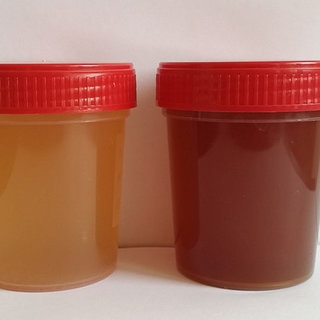
· Myoglobinuria (red-brown coloured urine)
· Occasionally choke (oesophageal obstruction)
· Signs of severe colic - but they will still try to eat
How do we diagnose Atypical Myopathy?
Clinical signs: As above
Laboratory tests: Blood tests may be performed to assess the horse's muscle enzymes, such as creatine kinase (CK) and aspartate transaminase (AST). Elevated levels of these enzymes can indicate muscle damage.
History: A thorough history of the horse's recent activities and environment is important in diagnosing atypical myopathy. Horses with the condition are often found in fields with sycamore or maple trees and may have been grazing on fallen seeds or seedlings.
*Seeds can travel considerable distances due to their design, so the lack of sycamore trees in your yard or on your land does not mean Atypical Myopathy should be ruled out*
Post-mortem examination: In cases where a horse has died, especially when there are a large number of horses in the yard, a postmortem examination may be performed to confirm the diagnosis in the absence of blood tests, etc. This can be valuable information to help assist with a management and prevention plan.
How do we treat Atypical Myopathy?
***There is currently no known cure for atypical myopathy.***
The treatment consists of supportive measures which are aimed at managing the symptoms. This is generally done in a hospital setting due to the severity and acute nature of the condition and may include:
Intravenous fluids: Horses with atypical myopathy may become dehydrated due to their inability to drink or eat. Intravenous fluids can help to maintain hydration and electrolyte balance and also help prevent kidney injury.
Pain management: Horses with atypical myopathy may experience muscle pain and discomfort. Pain management may include the use of non-steroidal anti-inflammatory drugs (NSAIDs) or other pain medications or modalities to help manage this.
Nutritional support: Horses with atypical myopathy may have difficulty eating or may be unable to eat. Nutritional support may include the use of a nasogastric tube to provide liquid feed or electrolyte solutions. Supplementary vitamins and minerals have been shown in one study to be helpful in the treatment of atypical myopathy. In particular carnitine, vitamin B1, and vitamin B2 could possibly support the function of muscle cells and vitamins C and E may be useful as anti-oxidants to help mitigate free radical damage.
Environmental management: Horses should be kept in a quiet, stress-free environment to help manage their symptoms and a pasture free from potential sources of re-contamination should be provided.
What can we do to prevent Atypical Myopathy?
It is interesting to note that some equines do not develop Atypical Myopathy even after an extended period of time living on affected pastures. It does seem to appear that younger animals or those that have been newly introduced to an affected pasture appear to be at great risk if:-
Pasture is overgrazed in autumn and early spring
Turnout time is greater than 12 hours per day
No supplemental forage is provided on the pasture
It is highly recommended to remove sycamore trees from affected pastures, although this is not always possible or practical. If this is not possible, then restricting grazing from October through mid-December and in the early spring is suggested. This does not however remove the risk posed by seeds being blown in, so regular checks of the paddocks are a necessity.
Provision of additional forage, preventing overgrazing of pastures through the likes of strip or rotational grazing, and restricted turnout of <6 hours per day during autumn and early spring (González-Medina S et al. (2019)) can all play a role in reducing the risk.
Always ensure that drinkers, feeders, or additional forage is not fed under trees so as to avoid contamination and therefore ingestion of seeds.
It is very important to note that these pastures containing sycamore seedlings should not be used for forage (hay, haylage, or silage) as research has found seeds and seedlings present in bales after 6-8 months of storage, still contained appreciable amounts of HGA.
HGA is a water-soluble toxin that may pass from plants to water through direct contact. For this reason, pastures with a natural water source, such as a river or stream, should not be used during the high-risk seasons and an alternative water supply should be provided.
It is possible to test your pasture for the presence of HGA and this can allow you to assess what the risk factor may be regarding that particular area, especially if tree removal is not an option.
Do not forget that early intervention is key. If you suspect that your horse may have atypical myopathy, seek veterinary attention immediately. Early intervention can improve your horse's chances of survival. It is good to note that affected horses that are alive >5 days after the start of clinical signs are likely to recover. Initially, recovery is slow, but most of these horses that recover go on to make a complete recovery and return to work with no long-term effects of the disease.
Know your trees and poisonous plants!
References
- Votion, D.-M. et al (2014). Identification of methylenecyclopropyl acetic acid in serum of European horses with atypical myopathy Equine Veterinary Journal
- González-Medina S et al. (2019) Atypical myopathy-associated hypoglycin A toxin remains in sycamore seedlings despite mowing, herbicidal spraying or storage in hay and silage. Equine Veterinary Journal
- Votion, D.-M. et al (2020). Frequently asked questions regarding horse feeding and management practices to reduce the risk of atypical myopathy. Animals 10
Dr. Gabrielle Haughton
DVM CVA IVAS CHF BHSAI
@busy_vet_mum/@fourgatesvetacu

Gabrielle Haughton
Veterinary Surgeon certified in Veterinary Acupuncture BHSAI with 20+ years experience Mum of twins,wife,vet,lover of all things Connemara,trying to balance it all! @busy_vet_mum/@fourgatesvetacu